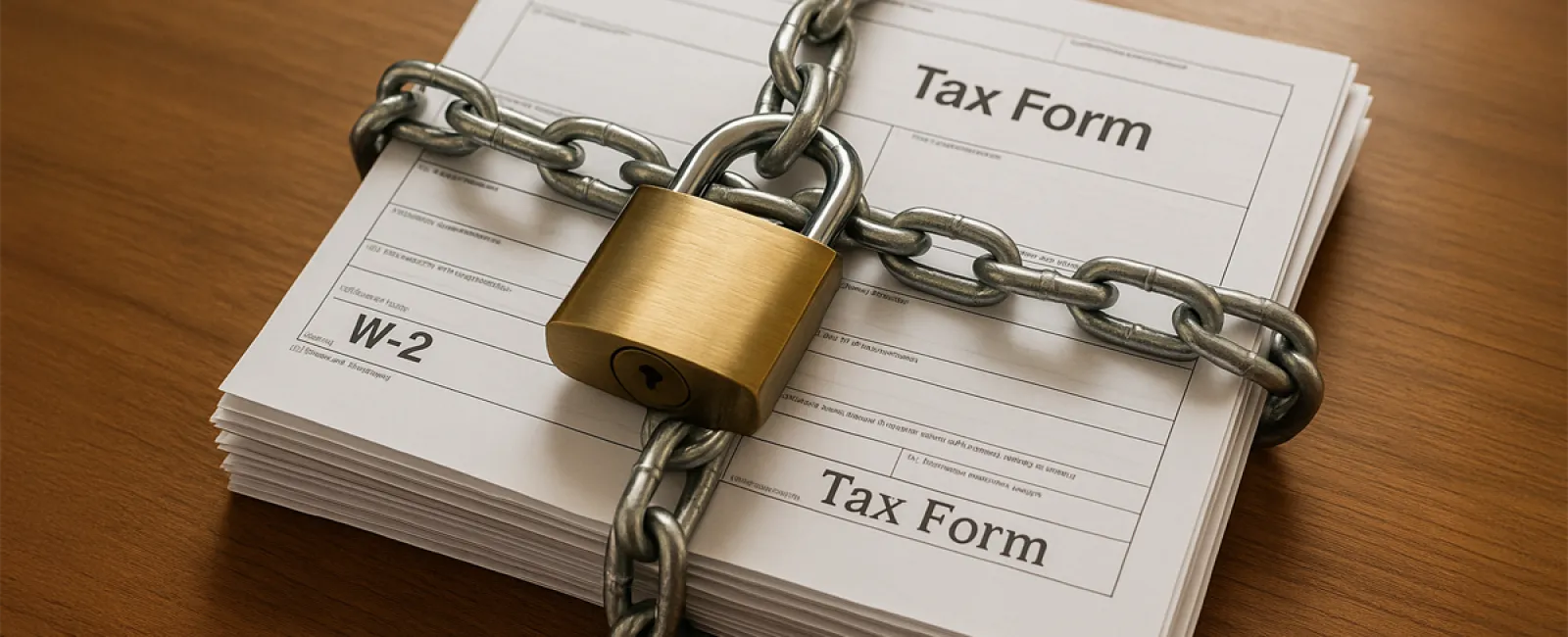
It's February, and as tax season accelerates, your accounting and bookkeeping teams are scrambling to gather documents, focusing intensely on W-2s, 1099s, and looming deadlines.
But there's a tax season threat that rarely makes it to the calendar: the initial headache often comes not from paperwork, but from a clever scam.
This scam emerges early—before April even starts—because it's simple, convincing, and targets smaller businesses directly. It might already be lurking in someone's inbox right now.
Unmasking the W-2 Scam: What You Need to Know
Here's the typical scenario:
An employee responsible for payroll or HR receives an email that appears to come from the CEO, owner, or a top executive.
The email is brief and urgent:
"I need copies of all employee W-2 forms for an imminent accountant meeting. Can you send them ASAP? I'm overwhelmed today."
The wording feels authentic, the urgency fitting for tax season, and the request appears legitimate.
Trusting the message, your employee forwards the W-2s.
But the email never truly came from your CEO. It was sent by a fraudster using a spoofed address or a deceptive domain.
Now, the scammer holds sensitive employee data including:
• Full legal names
• Social Security numbers
• Home addresses
• Salary details
All the information needed to commit identity theft and file bogus tax returns ahead of your employees.
The Fallout: What to Expect
Typically, victims discover the fraud when:
Employees attempt to file their tax returns only to receive rejections stating: "Return already filed for this Social Security number."
Fraudsters have already filed, claimed refunds, and vanished with the money.
This leaves your workforce battling IRS disputes, securing their credit, and sorting through months of frustrating paperwork prompted by a criminal's deceit.
Picture this vulnerability multiplied across your entire payroll, then facing the reality of explaining this breach to your team.
It's more than a security breach—it's a massive trust failure, an HR crisis, a potential legal quagmire, and a hit to your company's reputation.
Why This Scam Is Alarmingly Effective
This isn't some obvious scam from a Nigerian prince; it's carefully crafted to deceive at first glance.
Its success factors include:
- Timing aligns perfectly with expected W-2 requests in February. It doesn't raise suspicion.
- The request is reasonable, not outrageous like wire transfers or gift card purchases.
- The urgent tone mirrors genuine busy-season pressure, lowering defenses.
- The sender's identity looks authentic, backed by ample research to mimic real executives.
- Employees eager to assist leadership bypass verification in the rush.
Practical Steps to Shield Your Business Before the Scam Strikes
The best news? You can stop this scam before it reaches your staff by instilling the right policies and culture—no advanced technology required.
Implement a strict "no W-2s via email" policy—zero exceptions. All sensitive payroll documents should remain within your organization's secure systems. If anyone requests them by email, reply with a firm "no," even if the sender seems like the CEO.
Always confirm sensitive requests through a separate channel—call, face-to-face, or trusted chat apps. Use established contact numbers, not those embedded in emails. This simple verification takes seconds but prevents lengthy crises.
Hold a quick 10-minute team meeting focused on tax-season scams now—not later—to equip payroll and HR teams with the knowledge to identify and stop scams immediately.
Enhance security on payroll and HR platforms by enforcing multi-factor authentication (MFA). MFA acts as a strong last defense if login credentials are compromised.
Promote a culture where verifying suspicious requests is encouraged and applauded—not questioned. When employees feel safe double-checking, scammers find no foothold.
These five straightforward rules are easy to implement swiftly and robust enough to block the initial wave of scams.
Looking Ahead: The Larger Threat Landscape
Remember, the W-2 scam is just one element of a broader onslaught.
Between now and April, anticipate a surge in tax-season cyber attacks including:
- Fraudulent IRS notices demanding urgent payments
- Phishing campaigns disguised as tax software updates
- Emails spoofing your accountant with malicious links
- Fake invoices timed to appear as legitimate tax expenses
These scams thrive during tax season due to widespread distraction, haste, and the routine nature of financial demands.
Businesses that navigate tax season securely aren't lucky—they're prepared.
They uphold firm policies, conduct regular training, and deploy systems to intercept suspicious requests before damage occurs.
Is Your Business Prepared to Defend Against Tax Season Scams?
If you already have effective policies and your team recognizes scam tactics, you're ahead of most small businesses.
If not, now is the crucial moment—not after the first scam hits.
To help, schedule a 15-minute Tax Season Security Check.
During this call, we'll review:
• Payroll and HR access controls with MFA
• Your W-2 handling and verification procedures
• Email defenses that block spoofing attempts
• One vital policy update most companies overlook
If your business already excels here, fantastic. But if not, consider sharing this article with peers who might be vulnerable—it could save them a costly headache.
Click here or give us a call at 608-416-2400 to schedule your free 10-Minute Discovery Call.
Because tax season is stressful enough without identity theft layered on top.